Pages

The View from My Kitchen

Benvenuti! I hope you enjoy il panorama dalla mia cucina Italiana -- "the view from my Italian kitchen,"-- where I indulge my passion for Italian food and cooking. From here, I share some thoughts and ideas on food, as well as recipes and restaurant reviews, notes on travel, a few garnishes from a lifetime in the entertainment industry, and an occasional rant on life in general..

You can help by becoming a follower. I'd really like to know who you are and what your thoughts are on what I'm doing. Every great leader needs followers and if I am ever to achieve my goal of becoming the next great leader of the Italian culinary world :-) I need followers!

Grazie mille!

Thursday, March 12, 2020

So They're Banning Plastic Straws and Bags. So What?


Convenience Does Not Equate To Need

Okay. This is just a rant. Pure and simple. Nothing to do with food, cooking, restaurants, entertainment or anything else usually seen in “The View From My Italian Kitchen.” It's not even an Italian rant. It's just one of those “I'm entitled to my opinion.....and so are you” things. So here goes.

What in the hell is wrong with people today? When did we as a society become so wimpy, whiny, and “needy?” I'm talking specifically about the people who “need” their precious plastic straws, plastic bags, and etc. in order to have a complete and fulfilled life and who will weep, wail, whine, and protest every time somebody moves to ban what they consider to be one of their life's essentials.

PUH-LEEEESE! Not a single damn one of these things is anywhere near “essential.” They are, at best, conveniences. But in the world we've constructed for ourselves in the last fifty years or so, comfort and convenience are king and queen and anything that robs us of those things is abhorrent. It's as if the Founders who alluded to “the pursuit of happiness” and ranked in in importance with life and liberty were actually fomenting for the right to the acquisition of unabashed luxury.

I can't help but notice that the vast majority of these whiners are not old geezers like me. If they were, they would, like me, remember a time when the things they claim to “need” didn't even exist and we all got along without them just fine, thank you very much.

First there was the enormous brouhaha that ensued when plastic straws came under fire. OMG, you'd have thought that King Herod, in the guise of Uncle Sam, was going door to door seeking first-born sons! Somehow, when I wasn't looking, plastic straws became not only a convenience but some perverse form of entitlement and a necessity of life. Something without which society would face certain extinction or, at the very least, gross vexation.

Okay, so here comes the old guy doddering in with the inconvenient observation that until I was in my early teens, I had never even seen a plastic straw because they simply didn't exist. They came about as the result of another plastic product; the to-go cup lid. Sometime in the 1950s, when McDonald's, Burger King, et.al. started slapping plastic lids on paper beverage cups, it was noticed that the venerable old paper straw, around since the 1880s, couldn't stand up to the sharp little points that resulted when you pushed one through the perforated “X” in the plastic lid. Those points just shredded the paper and so it was deemed necessary to find an improvement. A few attempts were made in the '50s and early '60s, but it wasn't until around 1970 that plastic straws really took over. Then novelty items like jumbo straws and twisty straws came along around 1980, by which time a new generation had totally forgotten that non-plastic straws ever existed. And so plastic – the new standard – became at first ubiquitous then essential. Plastic production rose from about 1.5 million metric tons in 1950 to a staggering 359 million metric tons in 2018. And now, with the world trying to recover from its plastic pollution hangover, some tiny voices started saying, “why do we need plastic straws? What's wrong with paper or metal or even silicone?” And as those voices grew in number and volume and cutbacks and outright bans on plastic straws began to arise, so, too, did the shrieks and howls of protest from those who were willing to swear that they would literally die without access to plastic straws. Die? Really? I cast back in my memory to the '50s and '60s and tried to recall seeing the streets littered with the dead victims of a lack of plastic straws and I just couldn't seem to recall any. Am I missing something?

Moving on, I was reading an article the other day regarding New York's new ban on single-use plastic bags. And the same shrill protesters are at it again, tenaciously clinging to the position that plastic bags are some kind of Constitutionally guaranteed right without which they cannot survive. “Don't take my bags,” they keen. “I ne-e-e-e-d my bags! How will I shop without them? How will I feed my family?” I'm serious. These are questions that are being asked.

Again we go back in time, and again not very far. The first plastic shopping bags were produced in the late 1960s. Oddly enough, they were lauded at the time as a device by which we could save the planet from potential deforestation at the hands of paper bag manufacturers. Who knew back then that there would quickly come a time when the accursed things would be blowing around our streets like polyethylene tumbleweeds, festooning our trees, languishing by our roadsides, polluting our lakes and streams, and accumulating in great slow-to-degrade heaps in our landfills, piles that will take anywhere from ten to a thousand years to decompose.

The first ever “shopping bag” was made of burlap and was in use as the eighteenth century turned into the nineteenth. By mid-century a machine was invented that would cut, fold, and paste heavy paper into bags. By the turn of the twentieth century – 1912 to be precise – a Minnesota grocer figured out that people who had to carry cumbersome packages bought less stuff in his store. So he developed an inexpensive, easy to use, prefabricated method for carrying a lot of stuff. It was a simple sack made of heavy paper with a cord running through it for extra strength and stability and to provide a handle. The idea caught on. Within three years he was selling more than a million handled shopping bags annually.

By the time I was bagging groceries at a supermarket in 1968, paper grocery bags came in all sizes, from great big ones for great big orders down to little bitty ones for a handful of penny candy. Occasionally a customer would come in with fabric shopping bags of some sort, but they were usually either really old people or the new hippie weirdos. Either way, nobody used plastic grocery bags......because they didn't exist! And yet somehow the world continued to turn, people managed to shop and to feed their families. They even got to make cool crafts.

My ever-frugal pack-rat of a mother saved every single paper bag that ever came into our house. Sometimes she would reuse them when shopping at a store. More often she would employ them to line household trash receptacles. My schoolbooks were almost always protected by book covers made from brown paper bags. Paper bags made great drawer and shelf liners, too. It seemed there was nothing my mother couldn't do with Scotch tape and a paper bag.

Then in 1969, some Swede came up with the plastic bag we know today and the race to build the Great Pacific Garbage Patch was on. At first, plastic bags were sort of a novelty. Then a few grocers started offering both paper and plastic. (Remember being given that choice at the checkout? I do.) In the early 1980s, major chains like Safeway and Kroger went all plastic and by the '90s, once again an entire generation had no idea there had ever been anything else. So now, when the Big Bad Man comes around and says he's banning plastic bags in order to keep the frickin' planet from being shrink-wrapped, the ninnywhiners who consider polyethylene to be a birthright of some sort start raising the roof and screaming all kinds of nonsense about economic hardship and such dreck.

I'm sorry. I went to a store the other day and neglected to bring one of my dozen or so reusable canvas bags with me. I usually keep a couple in both my wife's car and mine and the rest live in a big burlap bag in my pantry. And this was one of those places where you either brought your own bag or bought one of theirs. Oh, woe is me! What was I to do? I ne-e-e-e-ded a bag in which to carry my groceries so my family wouldn't starve! And these cruel, uncaring merchants didn't offer unlimited comforting, convenient, free plastic bags. Oh, the anxiety! Oh, the panic! What was I to DO?! I'll tell you what I did: I plunked down a nickel and bought a paper bag. And when I got it home, I put it in the burlap bag with the other reuseables. I am my mother's son, after all. I'll think of something to do with it. Point is, ain't nobody gonna tell me plastic bags are an economic necessity. Don't stand there sipping on your four-dollar-a-cup coffee and sucking on your five-buck-a-pack cigarettes and tell me you can't afford a nickel for a paper bag.

Trust me, folks, I'm not some loony lefty who's going to go out and strew recycled organic rose petals in Greta Thunberg's path. But I do believe that we've reached a tipping point in the plastic pollution problem and that we need to get a handle on it fairly quickly. So if I can help in any way by giving up an insignificant personal amenity for the greater good, I'll do it. I'll bring my own bags to the grocery store. After the initial purchase, they cost me nothing other than the inconvenience of having to remember them. And I dropped a few bucks on a nice collapsible metal straw that has a “safe and comfortable” silicone tip and comes with its own “convenient” carrying case. (See. I can pander to comfort and convenience with the best of them.) It fits in my pocket and I've gotten tons of comments and compliments from people who seen me use it. My wife's got one, too.

In and of themselves, neither of these actions are a great sacrifice to me personally. And neither are they particularly significant in the grand scheme. As a friend of mine pointed out, ninety-nine percent of the stuff I put in my reusable bags comes wrapped or packaged in plastic. But you've got to start somewhere and if everyone reading this would do something similar and give one tiny thought to something other than their own comfort and convenience for a minute, maybe something positive would come of it.

Get out of the sackcloth and ashes and stop mourning the passing of something that probably never should have been in the first place. Plastic straws, bags, plates, knives, forks, spoons, whatever are increasingly inconvenient conveniences. They are not necessities of life. We all did fine before we had them and we'll all do fine after they're gone.

Okay. End of rant. But watch out plastic bottles and plastic blister packaging: I'm comin' after you next.

Thursday, February 13, 2020

What's The Hardest Thing About Running A Restaurant? The Answer May Surprise You


A Cautionary Tale – Or Two Or Three – For Potential Restaurateurs

I was catering a small event recently. A young man struck up a conversation as I worked and at one point asked me what the hardest part of running a restaurant or food service business was. My answer was immediate and emphatic: finding and keeping good help.

Oh, there are a million things that will kill you in a restaurant operation. Finances and budgets aside, something is always breaking down: AC, heat, walk-in, reach-in, ice machine, sandwich unit …something. Building codes, fire codes, safety codes and especially food codes and health regulations will drive you insane. Licenses are another headache. There's one for just about every circumstance you can think of and probably some that you never imagined. And if you're serving liquor, that's a whole 'nother animal. But all these things pale in comparison to the difficulty involved in the recruiting, hiring, and maintaining of anything near a decent staff.

“What's so hard,” you ask? “I'm offering people a chance to work and make money. How can that possibly be such a problem?” Oh, my dear lambs! Allow me to reveal to you the slaughter you're about to face.

The labor pool for the restaurant industry today is so shallow you can walk through it and barely get the soles of your feet wet. I don't care if you are the proprietor of a suburban fast-food eatery or the owner of the hottest downtown restaurant, the employee mill will churn and turn like a revolving door. A motorized door that spins like a centrifuge. Oh, sure, you'll find a good cook or server now and then; one who loves his or her job and enjoys working for you. An Italian friend of mine has as couple of cooks and servers who have been with him since he opened his doors more than a dozen years ago. I know of a waiter at another local place who has been there for more than twenty years. But believe me, employees like these are the statistically insignificant exception to the revolving door rule. In fact, recent statistics show that three in ten restaurant operators cite adequate staffing as a major issue. Another stat says that turnover in the restaurant industry is currently at an all-time high of seventy-five percent. According to Restaurant Insider, forty-two percent of front-of-house employees walk within the first three months.

Almost every candidate you're going to encounter in your search for a reliable employee is somebody who is not seeking a career but rather looking for a job. This means you hire them today and they find “something better” tomorrow and you won't see them the next day. No thanks, no notice, just no-show. It's called “ghosting” and it's a big thing among millennials and Gen Zers. Young people just take a job and then don't show up. Or they quit a job and don't let their employer know. According to the Randstad 2020 U.S. Compensation Insights survey, half of millennials and Gen Zers have ghosted an employer for a higher paying job opportunity elsewhere.

With increased demands for higher minimum wages becoming more and more commonplace, people new to the job scene expect to just walk in and be paid a whole lot of money for very little work. When they figure out that the job isn’t going to be a cakewalk (usually after the first ten minutes or so on the clock), a lot of them won't hesitate a second to find something “better.” And to leave you holding the bag.

Many of the ones that do show up and stick around do so because they can't find “something better.” The transient nature of restaurant work is legendary. While there are many, many, many dedicated, hardworking folks in both the front and back of the house, there are also a disproportionate number of, shall we say, “hard-luck cases.” These are people who are barely functioning in life due to alcohol, drugs, mental or emotional impairments, criminal records, educational deficiencies, or just plain laziness and lack of motivation. And they flock to kitchens like flies to – sugar.

Another bunch that the business seems to attract are the ones who have unrealistically high opinions of themselves and their abilities. They're just working for you because they never got the breaks that would have made them the next Bobby Flay or Wolfgang Puck or somebody. Believe them, they're doing you a favor by deigning to grace you with their presence. Don't try to tell them anything; there isn't anything they don't already know. They are legends in their own minds.

And, of course, as I alluded earlier, nearly every waiter or waitress you're likely to employ is literally waiting – for something else. They're “really” students, actors, models, social media influencers – any of a million things and they're just cooling their heels with you until their big break comes along or until they can get “a real job.”

You start out looking for bright, attentive, motivated people and I promise you in most cases you will end up settling for warm bodies. And the saddest part is you're going to get chapped lips and a permanently brown nose from all the ass-kissing you'll have to do in order to keep them.

Sure there are exceptions. My son is one of them – sort of. He started in fast food at age sixteen and over the next twenty years he worked his way up to management in a fairly high end place. The route took him through waiting tables, tending bar, and even doing a few turns in the kitchen. He was dedicated, hardworking, and good at what he did. And now he owns his own place. It's a retail craft and gift shop. He's out of the food business.

My grandparents owned a little place back in the '50s. He cooked and she served. No staffing problems there. No staffing problems at my uncle's eatery either; I had a big family and most of them worked for Uncle P at one time or another. And as far as my own involvement in the industry, I'm a personal chef these days. I have a full-time staff of three – me, myself, and I and I never have any problems with any of them.

So with four generations of idioti in the restaurant business, let me share a few stories from my own experience that illustrate why I tell people what I tell them about finding and keeping good help.

I could write a book about the fast-food employees who have screwed up my orders over the years. I'm sure you could, too. It seems almost de rigueur anymore. I never leave a drive-thru without checking my order. And the attitudes of most fast-food counter people! Uffaaaaa! Have you ever walked up to place your order and felt like you should apologize for doing so because you're intruding on the counter person's personal time or interrupting their social activities? I have. The only exception seems to be Chik-fil-A. Their employees are unfailingly efficient, polite, and attentive. I don't know what they do differently there, but they're obviously doing something right.

Unlike the careless kitchen employee at one of my favorite fast-food joints that I won't identify but its name comes from the initials of the Raffel Brothers who started it. I ordered a ham and cheese slider onto which some inattentive “cook” slid a little something extra: the plastic wrap from the cheese. I know. How did I know the difference, right? And yes, the manager apologized profusely and brought me a fresh one without the extra ingredient.

My own staffing luck was usually not so good. I once hired a cook who had attended Le Cordon Bleu in Los Angeles. Wow! Here I am with a little hole-in-the-wall place and I score a classically trained chef! Woo-hoo! But two problems immediately surfaced.

Problem number one was that the man couldn't make all the dishes in an order come out at the same time to save his life. He was a decent cook and he was great if he could focus on one thing and one thing alone. But that ain't the way the business works. My wife was on expo duty his first night and he almost walked because she was “so hard” on him. Just because I kept hearing her repeat the word “urgently” in regards to every dish he was not making that was not hitting the pass......He could muddle through a deuce okay but the “deer-in-the-headlights” look set in when he was confronted by a four-top and anything more than that had him so deep in the weeds he needed a machete to whack his way out.

Second problem: he may have learned to read a thermometer in culinary school but he had a little difficulty with a clock. He was never on time for his shift. Even though he lived a five or six minute drive from the restaurant, he had neither a car nor a license. So if he couldn't bum a ride, he usually hoofed it. And he was always late. This was especially problematic when he was the opening breakfast cook. The servers were there, the coffee was made, the doors were open and.......no cook. I mean, the opening cook needs at least a half hour prep time to light the oven and the flattop and the grill and to set up the breakfast mise and what have you. And this clown walks in five or ten minutes after the start of service. Che cazzo?!

So I told him one night, “I'm gonna pick you up in the morning. You be ready.” And I was in his driveway at the appointed time. No cook. I called his cell. His sleepy voice answered and said, “I haven't had my shower yet. Go on and I'll call a cab.” “Okay, bucko,” I said, “you've got thirty minutes.” “I know. I'll be there,” he replied.

Thirty minutes passed and no cook. I called him. “I'm the cab right now.” “Okay.” Fifteen minutes more go by. Remember, he lives five minutes down the street. And now he's not answering his phone. Another fifteen minutes and another phone call. Now he says he's in the cab and on the way. “From where?” I exploded, “CANADA?! An hour ago you told me you'd get a cab. A half-hour ago you said you were in the cab and now you tell me you're still in the cab when you only live five minutes away. You know what? I suspect you're lying to me.” He started stammering some excuse. I pressed on, “Are you lying to me?” “Ahhhhhhh.....ummmm......I was just trying to buy myself a little more time is all.” “GUESS WHAT, DUDE? YOU'VE BOUGHT YOURSELF ALL THE TIME IN THE WORLD,” I roared, and then I hung up.

I saw him on the line at a Waffle House a couple of weeks later. A little while after that he was gone from there, too.

There's often a bit of friction between front-of-the-house and back-of-the-house. Everybody's got a job to do and frequently cooks have issues with how servers are doing their jobs and vice-versa. Usually it's fairly benign, although sometimes it can be intense to the point of being toxic. I think that point had been reached when I had to fire a cook who threatened to kill a waitress and a customer who had had the temerity to complain about something. I don't mean some off-hand “I'm gonna kill her” comment. No, this anger management dropout went into graphic detail. He was one of those “I am God's gift to the culinary industry! How DARE you question me?” types that I mentioned earlier. I put up with his posturing, I put up with his ego, I even put up with his adding his “personal touches” to our established recipes. But I wouldn't put up with his threats to customers and staff. Bye-bye.

How about this one? It's a Saturday evening and I'm in the kitchen doing prep work. I've only got one cook to begin with and he's working behind me prepping some chicken. I turned to ask him something and he's gone. Not only is he gone but ten pounds of raw chicken is sitting open and uncovered on his board. I deal with that potential health code violation and then go off to find him. And he's out on the patio smoking and laughing it up with some buddies. “Hey, man”, I tell him, “it's not break time. You need to get back in there and finish that chicken.” He's kind of sullen about it but he does it. And ten minutes later, he's gone again. Back on the patio with his pals. My wife goes out and tells him he needs to get back to work. He tells her, “in a minute.” I give him “a minute” and five or six more, then I go out and tell him, “I'm not paying you to smoke and talk. Get back to work.” Unreasonable, right? He must have thought so because he took off his apron, slammed it on a table and stalked off across the parking lot. Leaving me without a cook on a Saturday night. And five minutes after he's gone, a rush starts. So my wife puts on an apron and hits the flattop, I take the fry station, and a waitress works the grill. We got through it. Oh, and did I mention that I had already taken this guy back once because I felt sorry for him?

Then there was the master chef who cost me two points on a health inspection because he apparently didn't know how to cook a chicken breast. We had a grilled chicken sandwich on our menu. Our meat vendor kept us supplied with very generous-sized boneless chicken breasts. I mean, if these hens were human, I'd suspect they had had work done, you know? BIG ol' chicken breasts. And, of course, any idiot could figure out that you had to cut these monster breasts down before you cooked them. For a couple of obvious reasons. In the first place, you could get at least two sandwiches out of one breast. In the second place, there was no way in hell you could cook that enormo-breast whole on a grill or flattop. Common sense would tell you that the outside would be toast long before the inside cooked to a safe temperature. The problem with common sense is that there are so many uncommonly senseless people walking around. My cook was one of them. And, wouldn't you know, the health inspector was there to witness his brilliant display of chicken cookery. When the inspector stuck his thermometer into that breast, I knew I was screwed. He “suggested” the cook start over and then he dunned me points with the notation “suggest serving smaller portions.” Ya THINK??!! How about “suggest you get another cook” instead? Because I did.

I was helping out a friend who was really struggling with his place. His biggest problem was that he was an absentee owner who only came around on Fridays to hand out the checks. The rest of the time, the inmates ran the asylum. The biggest “inmate” was a cook who probably should have been an inmate for real. He was selling drugs out in the back parking lot during his shift and he let all his friends eat for free whenever they came in. Guess who I fired first?

And the waitress my friend had making the schedule and “managing” the place hadn't a clue about restaurant management. For instance, she was buying cleaning supplies at the Dollar General across the street. When they ran out of ground beef, she'd just nip over to Walmart and buy twenty pounds or so. My friend used 80/20 in his burgers. His “manager” bought 73/27 because it was cheaper. He was using 60 or 70 count potatoes for his hand-cut fries. She found little golf ball-sized spuds at some kind of retail discount store and bought those instead. She thought doing all that was saving my friend money. His diminishing customer base definitely noticed the drop in quality. And his bottom line was headed for the toilet because his “manager” was stocking his restaurant with inferior product at retail! Oh, and she had worked a deal with my friend whereby she got paid extra to “manage” on top of her waitress wages and she also negotiated a “bonus” for running errands. And she would run to Walmart or somewhere six or eight times a day, hitting him up for her eight-dollar fee for each and every trip. So she was waiting tables for wages and tips and tacking on “manager pay” on top of it and then piling on her “errand fee” to ice the cake. In short, she was milking my buddy like a cash cow while driving his business into the ground. I didn't fire her; I just demoted her back to waitress and she quit.

I was traveling and stopped for lunch at a little place in Knoxville, Tennessee one day. The owner was behind the counter and it was little slow, so we started chatting while I waited for my order. He took a phone call. After he hung up, he looked at me and, shaking his head, said, “I just hired that kid day-before-yesterday. He's worked one shift. Today he's calling me to see if he can get tomorrow off. Where do these kids come from?” For the answer to that question, reread the paragraph about “ghosting.”

I was eating a late lunch in a nice little place that had decorative Tiffany-style lamps suspended over the booths and tables. As I said, it was late and the place was pretty quiet. Probably no more than a half-dozen other diners in the dining room. So the waitress was taking advantage of the lull to do some side work. And that's fine. That's what she's supposed to do; roll silverware and fill ketchup bottles and such. What she's most assuredly not supposed to do is climb up on a stool and dust the decorative Tiffany-style lamps while the customer's food is on the table! The manager apologized and comped my meal.

I don't do restaurant cooking anymore, but I still do a bit of restaurant consulting. I signed on with a guy a couple of years ago who wanted to open a place with a big city “high-end” vibe in a small, rural Southern town. He was a businessman with zero restaurant experience and I didn't think much of his concept from the beginning. And the very first thing I cautioned him about when he asked for my advice was the condition of the local labor market. But he had lots and lots of big ideas and piles and piles of money, so I watched as he funneled over a million dollars into his personal fool's paradise, spending tens of unnecessary thousands of dollars on every sparkly gadget and gee-gaw he could get his hands on. I told him to forget all the fancy toys like the $2,000 glass froster he bought for his bar. I advised him against the genuine top-grain white leather banquettes he was planning to install. I tried to tell him a lot of things, but the single biggest thing I hammered on was the potential employee base, or lack thereof. But I was whistling in the wind. “Oh, don't worry so much about that,” he pooh-pooed. “I'm going to pay higher than anybody in town. I'll have only the best people.”

Opening day approached and he hadn't even begun taking applications. I kept nagging at him to start developing his staff. We were less than a month out without the first employee on the payroll. Two weeks before opening, he finally took time from cavorting in the ludicrously expensive kitchen that had become his personal stainless steel playground and started interviewing for cooks and waitstaff. “Sei pazzo!,” I told him. “These people need at least two weeks to learn the menu and to train on procedures!” But he just looked at me like the bothersome nuisance I had no doubt become and continued to ignore me, believing his money would solve all his staffing problems. And the chickens came flocking home to roost when he opened the doors to admit the local labor pool and only a few drips trickled in.

High school kids. Tons of high school kids. None of whom we could hire because of labor and liquor laws. A bunch of people showed up whose only restaurant experience was eating in one. The first question nearly everyone who came through the door asked was “how much do you pay?” Sometimes that was the lead-in right after they gave their name. Now, you shouldn't judge on looks alone and it's illegal to refuse to hire on that basis, of course, but considering we were trying to staff a “high-end” establishment, we fielded more than a few applicants whose basic hygiene and, let's say, “sense of style,” made them low-end candidates for “high-end” employment. We had some applicants who couldn't read the application. One guy listed his cooking experience as “jail.” And then there were those who filled out applications and accepted positions and when we called them a day or two later for follow-up had already taken jobs elsewhere. Yep. We got “ghosted” a lot.

My client was badly understaffed when the place opened and the staff he had was untrained and unprepared. And the reviews reflected it. Not that I was there to experience those negative reviews. Having long since tired of being superfluous, I fulfilled my obligation to get his doors open and then I waded out of the deep end of the pool and onto dry land.

“Decent food, horrible service.” “Nice atmosphere, horrible service.” “Horrible management, horrible service.” The litany went on and on. But I didn't just read the online reviews. I also checked his health department inspections. Month after month of the same violations and infractions, nearly all perpetrated by careless and/or untrained staff. So much for his money buying “only the best people.”

Actually, even less-than-the-best people can cost money. Industry figures place the average cost of recruiting and training an hourly employee at anywhere between $2K and $3.5K. That's an enormous investment in somebody who is going to walk out the door seventy-five percent of the time.

So if you're still thinking of opening a restaurant, don't! Go soak your head or take a cold shower or run headlong and face first into a brick wall until the urge passes. If you still persist in pursuing folly to its inevitable conclusion, don't pretend you didn't hear the voice crying in the wilderness; the one that said “the hardest thing about running a restaurant is the difficulty involved in the recruiting, hiring, and maintaining of anything near a decent staff.”

And when you came to that conclusion, look me up. I'll be over here comfortably basking in the sunshine of “I told you so.”


Tuesday, November 26, 2019

Review: Giada, The Cromwell, Las Vegas, Nevada


A True Gem Among Rhinestones

Okay, anybody who knows me knows that I'm a particular fan of Giada De Laurentiis. I became a fan during her “Everyday Italian” days on Food Network, back when the network was actually worth watching. In addition to being a talented chef, I've always found her to be a nice person. I've actually met Giada, spoken with her, spent time with her and have frequently defended her against shallow detractors who criticize her for her appearance. Is there a more absurd reason to “hate” a person?

Anyway, I was excited when Giada made the announcement in 2014 that she was opening a restaurant in Las Vegas, joining the ranks of many other “celebrity” chefs with eponymous eateries there. And I was even more excited when I finally got the opportunity to dine at her signature place.

I don't much like Las Vegas in general. It's just not my scene. In the first place, with apologies to Elvis, the “bright light city” doesn't so much “set my soul on fire” as it just burns up my wallet. I'm not fond, for example, of shelling out ten dollars for a Coke and a candy bar. I don't gamble, I don't like crowds, I don't like noise, I don't like drunks, and I especially don't like crowds of noisy, gambling drunks. And I object to being accosted by grubby pornslappers who pop their smutty little cards at me every ten feet as I walk along The Strip. After all, why should I patronize them when I can, as the numerous rolling billboard trucks proclaim, have girls delivered “direct to your room” just like a pizza? Thank you. No.

I do, however, appreciate the vibrant Vegas food scene. Just about every “famous” chef I know either personally or through various media has a place in “The Entertainment Capital of the World.” Tom Colicchio, Gordon Ramsay, Emeril Lagasse, Masahara Morimoto, Buddy Valastro, Joel Robuchon, Guy Fieri, Wolfgang Puck, Jose Andres, Robert Irvine......the list is extensive to say the least. But it was on Giada's place at The Cromwell that I was focused this trip.

We had a 9 p.m. reservation, but between being seriously jet lagged and frankly tired of all the throngs crowding The Strip, we showed up early with the intention of just sitting quietly at the bar until nine if necessary. Fortunately, it wasn't: thanks to a very friendly and accommodating staff, we were seated within about thirty minutes. But our relatively brief sojourn at the bar was quite comfortable and pleasant. We were attended to promptly and settled in to enjoy a nice Pinot Noir (hers) and a cool glass of Peroni (mine). When we were seated, we were quite well seated, thank you, at one of the coveted window tables overlooking The Strip below and the adjacent fountains of the Bellagio. The restaurant's huge retractable windows were open on a pleasant autumn evening, enabling us to take in all the dazzling sights and cacophonous sounds from a nice safe perch on the hotel's second floor.

The ambiance and décor are very much reflective of Giada, including works by her artist friend, Darren Quinn. Giada fans and viewers will recognize his “Amore” from her TV show set. There are also some wonderful portraits of her, her grandfather, Dino, and her beautiful grandmother, Silvana Mangano displayed near the bar. It's an elegant and sophisticated vibe that is at the same time quite understated and soothing in the midst of all the surrounding glitz and faux glamour.

I don't know where Giada (the restaurant) found Fred, but I wish he could be cloned or at the very least loaned out to train every server at every eating place in the country. Friendly, personable, efficient, and knowledgeable, Fred was a joy. He was perfectly professional without being the least bit pretentious or stuffy. He never hovered, but he was never far away. His familiarity with every dish was impressive, although I do wish he'd learn to pronounce “mascarpone.” The flat, American-accented “mahs-car-POHN” was a bit grating, but that's just the annoying purist in me. Fred's recommendations were spot on and he seemed genuinely pleased when we were genuinely pleased by them. Obviously somebody who enjoys his craft and is not just collecting a paycheck.

Whoever was running the kitchen the night we were there (I know it wasn't Giada) also obviously enjoys their craft and is extremely good at it. The food was absolutely delicious. Giada features a unique fusion of Giada De Lauretiis' personal “authentic Italian meets modern California” style. By and large, it's lighter fare that doesn't necessarily sacrifice any of the traditional Italian taste.

My wife was especially amazed by her ravioli with Brussels sprouts and brown butter. She has never met a Brussels sprout she enjoyed – until now. Her fulsome praise of the cook on the vegetable and her equally enthusiastic enjoyment of the delicately unctuous brown butter were the talk of the evening. My bucatini pasta dish was also enjoyable, with a sweetly tangy pomodoro sauce and perfectly cooked pasta. Well, the al dente texture was perfect. The pasta itself could have benefited from just a teensie bit more salt. I know a lot of places have to cook to the lowest common denominator of misinformed patrons who are convinced that the slightest amount of salt in their food will lead them straight to hardened arteries and an early grave, but I was somewhat disappointed that the cooks at Giada would fall into that. Giada knows, as every Italian does, that salt – in what some consider egregious amounts – is the only way to flavor pasta. There was a little dish of flake salt on our table, placed there to compliment some incredible bread, and I crushed and sprinkled the tiniest pinch of it over my dish to immediately discernible results. The minuscule addition made the tomato flavor in the sauce pop even more. But again, I'm a purist and a cook. Others may not have noticed or appreciated the difference.

And these were porzioni veramente italiane, truly Italian portions. No huge overflowing platters of food. These were perfectly plated individual portions, not great piles designed to feed ravenous hordes like you usually find in “Italian” places.

Speaking as I was of the bread, a complimentary plate of ciabatta and an olive oil rosemary bread was absolutely to die for when combined with a selection of condiments that included the aforementioned flake salt, some capers, some peperoncino, an herbed olive oil, and an insanely good lemon mascarpone butter. I'm definitely stealing that last one.

I'd also like to steal the hot cocoa souffle that capped our incredible meal. A fresh-baked hot chocolate souffle that was deflated tableside and filled with rich chocolate sauce and served next to a scoop of creamy marshmallow gelato. Buonissimo! Perfetto! Delizioso! And a whole bunch of other Italian superlatives.

Did this heavenly repast come cheap? Oh, hell no. My credit card went straight to ICU. But you know what? The food, the service, the atmosphere, the entire experience was worth every penny and I'll eagerly do it again next time I'm in town. Just don't think you're going to Olive Garden when you cross the threshold at Giada. The food is obviously superior to anything you'll ever get at such a place, but be aware that you'll get a lot less for a lot more.

Giada is located on the second floor of The Cromwell Hotel & Casino at 3595 S. Las Vegas Blvd. They serve a weekend brunch Friday, Saturday, and Sunday and are open from 9 a.m. to 10:30 p.m. those days. Monday through Thursday hours are 5 p.m until 10:30. Parking? Yeah, right. This is Vegas, baby. Reservations are not strictly required but are strongly suggested. Dress is golf course or business casual. But again, this is Vegas: don't be surprised by anything you see. Allow at least an hour to an hour-and-a-half for your dining experience. Call (855) 442-3271 or visit the website at https://www.caesars.com/cromwell/restaurants/giada .

Thursday, November 7, 2019

Want To Make The Kitchen Less Stressful? Follow Anthony Bourdain's “Religion”


A Place For Everything.......

I hear it all the time: “Why don't you open a restaurant?” My answer is usually along the lines of  “been there, done that” and besides, I like to cook. Nothing will spoil a love of cooking faster than running a restaurant. I'll bet I didn't want to go near a stove for six months after the last place I got out of. No, I'm perfectly happy with the occasional work I get as a personal chef and doing some small time catering here and there. But even at that I hear, “I just don't know how you do it. I could never deal with all that pressure.” Or, “Cooking is so stressful!” And for those who feel that way, I suppose it is. But the reason they feel cooking is such a stressful, pressure-ridden chore is because they are such a hopelessly disorganized mess. I've seen some of these people in action in the kitchen and it stresses me out just to watch them. But it doesn't have to be that way. The secret to calm, confident, efficient, and fun cooking is organization. The pros call it “mise en place.”


Mise en place (me-zahn-plahs) is one of those fancy French terms you learn in culinary school. The term literally translates to “setting in place” or “putting in place,” and the concept itself is ridiculously simple: everything has a place and you just need to get organized before you start. Mise en place is a method or a state of mind that, when properly and consistently applied in any kitchen, results in a smooth-flowing, time saving cooking process, thus enabling even a beginning home cook to efficiently produce delicious, quality meals. No pressure, no stress. The late chef Anthony Bourdain often referred to mise en place as his "religion."

Let's prepare some spaghetti sauce, okay? And we're gonna do it right; we're not gonna open a jar, were gonna make the sauce from scratch. “Oh, no!,” I hear you wail. “That's such a mess!” Nah-h-h. Not if you do it right.

First and most importantly, you need to read your recipe. All of it. All the way through. Ingredients and procedure. If you don't, you're setting yourself up for potential problems and stress.

Here's a sauce recipe of Rocco DiSpirito's that I particularly like:

3 cloves garlic, crushed
1/2 yellow onion, peeled and chopped fine
3 tbsp olive oil
2 (28-ounce) cans tomato puree
1 (28-ounce) can crushed tomatoes
1 tbsp tomato paste
1 tsp sugar
1 cup chicken stock
Red pepper flakes to taste
Salt to taste

In a large saucepan, cook the garlic and onion in the olive oil over medium-low heat for about 10 minutes or until the garlic is tender and the onions are translucent, not brown. Add the red pepper flakes to taste.

Add all the tomato products. Pour the chicken stock into one of the 28-oz cans. Fill it the rest of the way with water and add that and the sugar to the pot. Stir and bring to a simmer. Taste and season with salt and cover. Simmer the sauce for about 1 hour. The sauce should be fairly thin, but not watery and very smooth. Uncover and simmer for 3 minutes if it is too thin for your taste; add a little water if it seems thick.

Okay, did you read all that? If you did, you found out you're going to need ten ingredients, five of which are canned, jarred, or bottled and two of which will require cutting and/or chopping. So you'll need a can opener, a knife, and a cutting surface, right? A couple of things need to be measured, so that means measuring cups and spoons. You need a saucepan with a cover and a couple of spoons, one to stir with and one to use for tasting. And you need to allow about an hour for cooking. And don't forget to include some additional time up front for all the prep work.

Now, I know a lot of folks who would look at that recipe and proceed like this: they would start by going to the shelf or cupboard for a saucepan. Then they walk over to the stove and place it on a burner. Then they go over to the pantry and find some olive oil and carry it back to the stove. Next, they hunt for some measuring spoons and then head back to the stove to measure in the oil. Now it's back to the pantry again to get some garlic and then a search for a knife or a garlic press. The knife is easy: that's in the drawer with the silverware. But where in the world is that garlic press? Oh, yeah. It's under the cabinet with the aluminum foil and the cereal. Once the garlic is crushed, it's back to the pantry for an onion. Then they locate a cutting board somewhere and go back to the counter where they left the knife. After they chop the onion, they go back to the stove and turn on the burner. Now they add in the garlic and onion and then they look for a wooden spoon with which to stir it. Then it's back to the pantry for the tomato products, moving quickly so the garlic and onions don't burn. Find the can opener in the same cabinet where the garlic press was and open all the cans of tomato product. Ooops! Forgot the red pepper flakes! Back to the pantry. Guess what? No red pepper flakes. Too late now. We'll just have to leave them out. So, now the tomato products are in. Back to the pantry for the chicken stock. Locate the can opener again and open the can. Find a measuring cup – it's in the drawer with the dish towels – and measure out the stock. Over to the sink to get some water then back to the pantry for the sugar. Find the measuring spoons again and measure out the sugar, then go back over to the sink and get the can with the stock and the water. Then over to the stove to dump it all in the pan and stir it up. Go get the salt shaker off the dining room table and then go back to the stove to add the salt to the sauce. Go over to the silverware drawer and get a spoon, then step back over to the stove to taste the sauce. Now, just figure out which lid fits the pan, cover it and the hard part is done! Whew!

That was way harder than it needed to be. And if that's anywhere near your method, no wonder you hate to cook.

Have you ever watched a cooking show on TV and noticed that the chef had all the pots, pans and tools right at hand and all the ingredients neatly laid out in little bowls so they could just dump the prepared contents of the bowls into the waiting pans and create perfect dishes? That's the way the big time TV chefs do it, baby. You don't see them running back to the fridge for a carrot, now do you? Nope. A whole bunch of people in the prep kitchen make sure that everything is laid out and ready before the host chef ever smiles at the camera. That's why it looks so easy on TV. Emeril might be the one to “bam!” his way through the recipe, but there's a lot of folks working off camera to make sure that his mise en place is set up the way he needs it. Well, in your kitchen, you're the prep cook.

Here's the way it should go: after you've read the recipe, clear the decks. Prepare your work area. Get rid of junk and clutter that will only get in your way as you try to work. Clean off counters and work spaces and clean up any dirty dishes you've got lying around. If you start work in a dirty, cluttered, disorganized kitchen, you're just ratcheting up the stress level.

Now set about gathering your ingredients and your equipment. Most kitchen disasters happen when you get halfway through preparing a dish only to discover that you don't have a necessary ingredient. It's those "Darn! I thought I had some of that" surprises that can ruin a cooking experience. To say nothing of a dish.

After you've got your ingredient ducks in a row, work on your equipment. Any necessary pots or pans as well as measuring cups, spoons, mixing bowls, blenders, choppers, spatulas, etc. Get them all together in one place so you're not running all over the kitchen after them.

Open all the cans, measure out all the liquid and dry ingredients and place them in handy prep bowls or containers. You know what works well for me? I love the little plastic cups from individual serving fruits or applesauce. You know, the kind you pack in lunches. I've got stacks of 'em and they make great prep cups. Chop up the vegetables and put them in prep bowls or containers. This is called making things "cooking ready." If you have ingredients that are going to be cooked at the same time, such as in a mirepoix or soffrito, it's okay to combine them at this stage. Now, you just assemble all the prepared ingredients into the prepared cookware and you're done with the hard part, except it wasn't nearly as hard because you were organized from the start.

Running all over the kitchen looking for the salt or a baking pan or a wooden spoon after you've started your recipe wastes time and energy. Preparing ahead of time allows you to cook without having to stop and assemble items, important in recipes with time constraints. Mise en place also allows you to cook in an orderly fashion. Let's face it, trying to chop the carrots while the onions are sauteing is a good way to foul up both. Poor preparation usually leads to poor outcomes. And mise en place is particularly beneficial if you are preparing more than one recipe or one with multiple steps. For instance, if my wife is baking an Italian cream cake, I'll set up her “mise” for her so that all the ingredients for the cake are laid out in one area, the stuff for the chocolate ganache is set up in another area, and the ingredients for the frosting are prepped and waiting in another spot. Having everything laid out in advance enables her to move efficiently from one preparation step to the next, just like those TV chefs!

Another huge and often overlooked aspect of mise en place involves clean up. Since mise en place starts and ends with everything in its place, an essential part of the process is cleaning up as you go. Don't let dishes stack up and accumulate as you're cooking. Clean them up and put them away as you use them. Mess equals stress. Clean as you go. That way, when you're finished cooking, instead of a daunting pile of dirty dishes and cookware, you have a complete meal, a clean kitchen and a low stress level. Win, win! And your kitchen is ready for the next round.

Honestly, I cannot fathom how some people function in kitchens that are disorganized to begin with with and wind up looking like war zones by the time they finish cooking a meal. I am acquainted with several people who just throw things into drawers and cabinets without regard to what goes with what. Mixing bowls live with canned goods, plastic wrap resides with frying pans, silverware inhabits two or three separate drawers. Yeesh! People, the department stores are full of nifty organizers to help you put your kitchen together more efficiently. If I had to go on safari every time I needed a measuring spoon, I'd probably get sick of cooking, too.

And then there are the people who employ every dish in the kitchen in the preparation of a meal and just stack all the used cookware in tremendous piles. I kid you not, I once knew a woman who stacked her dirty dishes on the floor when she ran out of sink and counter space. I don't have to tell you how nasty that is, do I? And then these people survey the nightmare they've created in the simple preparation of a pot of spaghetti and wail about what a chore cooking is! Please!

My drawers, cabinets, and countertops are neat and organized and I know where everything is. I don't have baked on messes on my cooktop because if something spills or boils over while I'm cooking, I clean it up on the spot. I keep a sink full of hot, soapy water on hand as I'm preparing dishes and as I use a pan or a bowl or a utensil, I wash it and put it away. The stand mixer and the food processor get cleaned and put back in their corners as soon as I'm through with them. When I finish preparing a four-course meal, my sink, countertops, and stovetop don't look much different than when I started. A place for everything and everything in its place.

Admittedly, on the surface mise en place sounds like a lot of extra time, extra work, and extra dishes. But it's really not and it's also the best route to less stressful cooking. Proper preparation will make any cooking experience a more efficient, productive, and enjoyable one. And the confidence you gain from being more efficient and productive may lead you to try more ambitious and more flavorful recipes, making you an all around better cook. And one who's considerably less stressed.

Mise en place – “set in place.” If, like Anthony Bourdain, you make it your “religion” in the kitchen, cooking will never again seem like such a stressful chore.

Buon appetito!

Friday, October 25, 2019

Why I Love To Hate Olive Garden


It's Good But It Could Be So Much Better

If you're a regular reader of the scribbles that occupy this space you're already aware of my opinion of the ubiquitous “Italian” eatery that is Olive Garden. For lack of a better term, let's call it a “love-hate relationship.”

My advice to anybody seeking an Italian dining experience has always been, “Well, if there isn't an Italian restaurant around, there's always Olive Garden.” Truth be told, the fast-casual subsidiary of Florida-based Darden Restaurants, Inc. knows they're not anywhere near authentically Italian. They actually style themselves as an “American Italian restaurant” or an “Italian-themed” restaurant. And if all the charming European architecture and the rich Tuscan colors and the wine and the dishes with Italian sounding names tend to make people think it's an Italian restaurant, well......the corporate parent is not going to work too hard to correct the misconception.

In fact, they used to rather encourage it by touting the training their staff received at the so-called “Culinary Institute of Tuscany,” which is actually a small Tuscan resort hotel and restaurant in Riserva di Fizzano that rents itself out to OG in the off-season to make a few euros and to provide a nice vacation for the company's managers, many of whom report that their “training” consists of sitting around for a couple of hours discussing spices or fresh produce. Then they pose for pictures with an Italian chef. The pics go to the hometown newspapers and the employees go sightseeing on the corporate dime. Ah, but they do tour a winery, visit a fresh food market, and eat in some local restaurants. By those standards, I should qualify as an Olive Garden master chef. Once word about the “Institute” started getting around, however, Darden kind of backed off advertising it.

Unsurprisingly, a poll conducted a couple of years ago found that thirty-nine percent of Americans thought that Olive Garden was as Italian as Italian gets. Uffa! I weep for those thirty-nine percent. And therein lies the real problem; the American perception of Italian cuisine. Let’s face it, most people think of Italian food in terms of pizza and spaghetti. Therefore, anyplace that serves either pizza or spaghetti is an “Italian restaurant.” More so if they serve both! And the greatest Italian chef to come to the average American mind is Chef Boyardee. Olive Garden is kind of an example of “cogito ergo sum;” Americans think it's Italian, therefore it is.

Did I tell you about the time I ate in an Olive Garden in Alabama and commented to the waiter about the spaghetti? It was overcooked and bland. The sauce was okay for something that came out of a bag. The waiter came by and asked, “How is everything?” So I told him. I asked him point-blank if the pasta came pre-packaged, refrigerated, and was just thrown into hot water and he said, “Yes, I think so.” Then he asked why I asked. I explained that the pasta was a little past al dente and that it had no flavor, as if there had been absolutely no salt added to the water. He commented, “People like you can always tell.” People like me. In other words, people who don't consider the aforementioned Chef Boyardee to be the ultimate in Italian cuisine.

And the reason the pasta lacked salt came to light a couple of years ago when an activist investor revealed that Darden/Olive Garden had stopped adding salt to its pasta cooking water in order to make the pots last longer! Dio mio in cielo! Cooking pasta with NO SALT? No frickin' wonder it's so utterly flavorless. Hey, you know tomatoes are awfully acidic. Maybe they should consider leaving them out of the tomato sauce to extend the life of those pots, too. What an utterly moronic affront to Italian cooking.

The investor published a 294 page report outlining everything he thought was wrong with Olive Garden. He mentioned the salt issue, for sure, but one of his other complaints was that, for an “Italian” restaurant, Olive Garden didn't serve enough Italian food. Fried lasagna? Really? Betcha they didn't learn that one at the “Culinary Institute.” How about the “loaded nacho chips” they tried to unload on us? Or the “Italiano Burger” with fries, created by a corporate chef concerned that Olive Garden was losing “burger craving” customers to places like Applebee's and Chili's. Of course, that particular chef got his start slinging pizza in Atlanta, so there you are.

Remember “pastachetti” and “soffatelli?” If you don't, that's okay; they're better forgotten. They were a couple of great examples of “if you can't make it, fake it.” There was nothing remotely Italian about these dishes. Somebody at corporate HQ in Florida just created some words that ended in vowels and added them to the menu for gullible American rubes to scarf down. They were, as Mashed writer Chris Heasman described them, “about as Italian as a man in lederhosen eating haggis on the banks of the Seine.” Gee, I wish I'd written that. The best I've come up with is that the food at Olive Garden is redolent of Rome and Florence. Rome, Georgia and Florence, Alabama, that is.

And the totally wacky thing is that after making up Italian names, when they come up with something that really is authentically Italian, they disguise it with an American name so Americans will know what it is! Case in point: arancini. Olive Garden calls them “risotto bites.” Oh well, at least give them credit for not calling them fried rice balls.

And does Olive Garden have something going on with Tyson or Perdue? They must because they seem to want to add chicken to everything. Chicken Parmigiana, Chicken Carbonara, Chicken Scampi, Stuffed Chicken Marsala, Zoodles Primavera with Grilled Chicken. (I can't believe I just typed the word “zoodles.”) You have no idea how annoyed I get when I order Fettuccine Alfredo and the server asks, “Do you want chicken with that?” (Sigh) There's nothing remotely Italian about Fettuccine Alfredo to begin with. But the American penchant for adding chicken – or any meat, for that matter – to pasta dishes completely defies Italian culinary principles. When you order a pasta dish, you do so because you want to taste the pasta. You don't want it smothered in cream sauce, you don't want it drowned in a quart of red sauce to which two cups of sugar have been added – although considering the dire lack of salt in Olive Garden's pasta, maybe those options aren't so bad – and you don't want it piled high with chunks of chicken. With apologies to carnivorous American palates, in Italy a plate of lightly dressed pasta is considered a meal. It doesn't “need” meat, as I've so often been told it does.

Oh, and by the way Olive Garden, all that up front soup and salad and breadstick stuff? You're doing it all wrong. It might be customarily American to serve soup or salad before a meal and to have loads of bread on the table as an “appetizer,” but that's not the Italian way of doing things. In an authentic Italian meal, the pasta comes out first. That's why they called it a “primo.” Soups and salads are served later in the meal progression and bread is an accompaniment not a course of its own.

But then that's not what Americans expect and you've got to give people what they expect if you want to stay in business. I've had many Italian friends who operate restaurants tell me that they have to serve stuff they'd never eat at home because customers expect it. Spaghetti and meatballs, for example. And quantities? Dai! Abbondanza be damned, no self-respecting Italian would ever eat as much food as gets piled on plates in American restaurants. The average serving portioned out to a single American diner would feed a family of four in an Italian household. My Italian friends know this, of course, but they say, “If I don't serve it like this, people will just go to Olive Garden.”

Believe me, I'm not alone in my low opinion of Olive Garden. There's even a Twitter feed for Olive Garden haters. One of the tweets says, “Cooking noodles doesn't make you Italian. On behalf of America, I'd like to apologize to Italy for @olivegarden.”

Don't get me wrong; I do eat at Olive Garden from time to time. Usually when I have gift cards someone has given me or when there's one located right next to my hotel or something. The “love” part of my relationship comes in that there are actually some very good things to be found at Olive Garden. The chicken gnocchi soup, for example, while not particularly “Italian,” isn't bad at all. I've duplicated the recipe and my wife likes mine better, but the original is still pretty good. Especially when they manage to get more than one or two gnocchi in the bowl. The “hate” part, however, is that there are also so many things that could be SO much better.

I could probably find 294 pages worth of my own Olive Garden criticisms but I'll spare you. Bottom line, if you're looking for Italian food, find one of the thousands of little Mom and Pop Italian places dotting the culinary landscape across the length and breadth of America. Ninety-nine-point-nine- percent of them will be Italian-American places but even the worst of them will be a better example of the cuisine than Olive Garden.

Or you might get lucky and stumble upon a place like Violino Ristorante Italiano in Winchester, Virginia. Now that's Italian! Or Galleria Umberto in Boston's North End. Best Sicilian pizza this side of Palermo. There used to be great places in Charlotte, North Carolina (Zarelli's) and in Orange Park, Florida (Ristorante Sarnelli), both sadly gone but fondly remembered just because they were so memorable. Sometimes you have to dig a little deeper. I found some decent Italian food at an Italian family-run place in Winston-Salem, North Carolina. It's called – are you ready for this? – BLL Rotisserie Factory. Seriously. They're definitely not trading on some faux-Italian name, are they? But they serve some good Italian food, despite the funky name. (The specialty of the house, as you might guess, is rotisserie chicken.) Good Italian food is out there. You just have to look for it.

If, on the other hand, you're willing to settle for mediocre fast-casual fare, stuff that goes from truck to freezer to pot to plate like the stuff served at Applebee's, Chili's, Ruby Tuesday, and a dozen other chain places – except with vaguely Italian-sounding names – there's always Olive Garden.

Wednesday, October 16, 2019

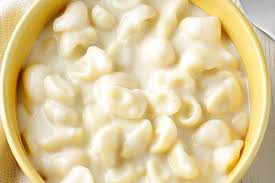
Uh-Oh. The Macaroni and Cheese Is Out Of The Bag At Panera


The Big “Secret” Is Revealed

The Internet exploded the other day when a now former Panera Bread employee apparently “revealed” the anything-but-secret secret about how the fast casual chain prepares and serves its signature macaroni and cheese.

In a brief clip filmed behind the counter and later uploaded to Tik Tok, the employee is seen dipping a plastic bag full of frozen macaroni and cheese into a pot of hot water and then pulling it out and emptying the steaming contents into a bowl for service.

I don't know, but I'm guessing the reason behind this attempted “outing” was to cause some kind of embarrassment to Panera, an outfit that prides itself on its fresh, all-natural fare. It's like “lookee-lookee! Their fresh macaroni and cheese is frozen!!”

Excuse me while I stifle a yawn.

If this myth-busting Snopes wannabe is expecting me to pick up my picket sign and go protest in front of my local store, she's going to be sadly disappointed. See, with four generations of family and numerous friends in the food service business, I know a little something about how it works and this is far from a secret or a surprise.

What? Did you really think there was a Michelin-starred chef in a white jacket and a toque just standing back in the local Panera kitchen waiting to make a single serving of your favorite side dish fresh to order? That he was cooking each individual portion of pasta one at a time and making the creamy cheese sauce from scratch so he or she could pour it over your dish when it was ready to hit the window? Reality check time. That ain't the way it works at Panera, Olive Garden, Red Lobster or just about any other high-volume chain restaurant you can think of.

And it ain't the way it works in my kitchen either. I've got freezers jam packed with goodies that I did, indeed, craft from high-quality, super-fresh ingredients that I then portioned out, vacuum-sealed, and stuck in the freezer for later use. There's absolutely nothing wrong with that. It's common industry practice. A chef, Michelin-starred or not, working in a corporate kitchen somewhere, developed the recipe. The high-quality, super-fresh ingredients were assembled and prepared according to the chef's standards and under his or her supervision. Then the results were portioned and quickly frozen in order to maintain that fresh quality without having to add a ton of preservatives. I do it commercially for my clients, I do it at home for my family; it's no big deal. C'mon! Have you never made too much of something and wound up freezing part of it and eating it later? Was there anything wrong with it when you did? Of course not.

Trust me, I've had cooks in my restaurants who just loved to “play” with my recipes. Add a little of this, leave out a little of that. You know, “personalize” it. Can you imagine what would happen if every barely above minimum wage cook in every Panera Bread restaurant across the country were allowed to make the macaroni and cheese “their way” from scratch? Even if they “followed the recipe,” it wouldn't taste the same from one location to the next and you wouldn't be happy, now would you?

I remember eating at a chain place years ago where the cooks apparently had a little leeway in the preparation of certain things. As a result, I got a Fettuccine Alfredo that had enough nutmeg in the sauce as to render it not only unrecognizable but also inedible. And you know what? I've never been back to any location of that chain from that day to this.

Creativity is fine for fine dining, but when it comes to chain places, consistency is key. Customers expect the macaroni and cheese at the Panera in Kookamunga to taste the same as the stuff they had in the store down the street. If the cook in Kookamunga likes, let's say nutmeg, and is given free rein to prepare the dish “his way,” they're going to have a very dissatisfied customer. So yeah, they make the stuff in big batches and freeze it. So what?

As a Panera spokesperson told CNN, “Mac and cheese is made off-site with our proprietary recipe developed by our chefs and using our sourced ingredients that meet our standards for our clean menu offerings,” adding that the meals are shipped frozen so the company can leave out certain preservatives that don’t meet the chain’s clean standards.

Technically, what they're doing at Panera is a form of the very trendy and popular “sous vide” method of cooking. It's actually the best way for a restaurant – or anybody, for that matter – to reheat macaroni and cheese from a frozen or refrigerated state. Tossing it in a pan on the stove or letting “Chef Mic” (industry speak for a microwave) do it usually turns out badly. Heating the product in a gentle, temperature-controlled water bath brings it up to serving temperature gradually while ensuring that the sauce stays emulsified with no breaking or scorching. Again, consistent quality counts.

By the way, have you ever wondered how some high-end steak places can produce such consistently killer steaks in such short periods of time? Pssst.......sous vide. Everybody does it.

I guess somewhere just south of a hundred-thousand people – probably more by now – thought the little clip was newsworthy. And apparently Panera thought that the budding videographer's talents were best applied elsewhere. Seems the pasta wasn't the only thing in hot water around there. So now she's on Tik Tok crying salty tears about having been canned, essentially for trying to make her employer look bad. Boo-hoo! Sorry, you're lucky they didn't sue you.

You know, I'm a sucker for good macaroni and cheese and I've never tried Panera's. I can vouch for their soups and sandwiches but maybe it's time I branch out a bit. Hmmmm.....it is lunchtime and there is a Panera Bread store not far from here. Yeah, I think I'll do that. After all, I ain't afraid of no hot water. Care to join me?

Thursday, October 3, 2019

Review: Violino Ristorante Italiano, Winchester, Virginia


A Pleasant Surprise

Located in the beautiful Shenandoah Valley, the northern Virginia city of Winchester is known for a lot of things. It was the first city south of the Potomac River to install electric light. It's home to Shenandoah University and to the Museum of the Shenandoah Valley. Since 1924, the city has hosted the annual Shenandoah Apple Blossom Festival. George Washington slept there – many times. The founding father spent much of his young life in and around Winchester, working as a surveyor. The city has a deep Revolutionary War connection and an even richer Civil War history. And country music icon Patsy Cline called Winchester home and is buried there in the city's Shenandoah Memorial Park.

Add one more thing to the list: one of the finest authentic family owned and operated Italian restaurants in which I have ever enjoyed an outstanding meal.

We were in town for business and, at the end of a long day, were looking for a good Italian place for a late dinner. Not knowing much about the area, we just Googled. It seems there are lots of Italian places in Winchester, including a few that delivered to our hotel. But my wife was adamant: she wanted a “nice” place. So we picked one that looked especially “nice.” It turned out to be a pleasant surprise.

Violino Ristorante Italiano is located on North Loudoun Street near the intersection with East Piccadilly Street on the northern end of the quaint pedestrian mall that spans several blocks of historic Old Town Winchester. It is one of several “Italian” places dotting the mall landscape but the only one that is un ristorante italiano vero. The others are probably very nice places, but like the mall on which they are located, they are pedestrian; typical Italian-American pizza and/or pasta joints. Violino Ristorante Italiano is much different.

Friuli-born Franco Stocco attended culinary school in Venice in the late 1960s. He and his wife, Marcella and their children moved to Washington, DC in 1985 where Franco continued to hone his craft in DC-area Italian eateries. While visiting Winchester, they spotted the building on the mall, found that it was available, and in 1995 fulfilled their dream of opening a place of their own.

But unlike your typical red-sauce joint, Franco kept his focus on his northern Italian roots and specialized in dishes not normally found in “Italian” restaurants. For instance, there's Portobello D’Autunno, Franco’s creation of baked portobello mushroom topped with a wild mushroom puree, goat cheese, and rosemary. Or Coniglio di San Remo, a Liguria-style braised rabbit, prepared with fresh herbs, white wine, and Taggiasche olives and served over soft polenta. Or perhaps a Galletto al Limone, a grilled boneless cornish hen marinated and pressed with rosemary, garlic and lemon and served with roasted potatoes. How's that stack up against the usual offerings of chicken parm and spaghetti and meatballs? See why I was thrilled when I walked through the door?

The décor and ambiance are delightfully authentic. There's outdoor seating available on the mall, but my wife and I opted for an intimate tavola per due inside the small but tastefully and artistically laid out dining room. Functional but comfortable wooden chairs and tables covered with gold linen tablecloths populate a room painted a rich Tuscan gold and accented with aesthetically pleasing artwork, much of which reflects the dominant musical motif one might expect of a place called “Violino.”

Service was unfailingly friendly and impressively professional. The staff was the perfect blend of attentive and invisible, just the way they should be. Specials were described, orders were taken, and food was delivered promptly and efficiently. Water glasses were kept full and, although never seeming to hover, servers were available exactly when you needed them. We came in about an hour before closing and, even though we were aware of the fact that time was marching on, in typical Italian fashion, we were never made to feel that way. Being in the business ourselves, we're savvy enough to know not to linger, but nobody gave the slightest indication of the, “Hey, don't you dummies know it's almost closing time?” you sometimes get at some places.

The food was indescribable. My wife, a sucker for seafood, was almost set on the Lobster Pansotti Gondoliera, lobster ravioli in a lemon Parmesan cream sauce crowned with a whole cold water lobster tail. But when the server described a delectable-sounding duck dish with orange sauce and house-made gnocchi as one of the specials, she went there instead and was so glad she did. She savored every morsel of the perfectly prepared anatra, a dish that's easy to screw up, and thoroughly enjoyed the fresh, tender gnocchi. My fatta in casa linguine aglio e olio was superb; a simple dish executed exceedingly well.

To my unrestrained delight, they featured my favorite Birra Moretti, a traditional golden lager with nice aromas of malt and hops and with a slightly bitter finish. I much prefer it to the more commonly served Peroni, which was also available on the extensive wine and beer list. My wife was very pleased with her selection of a house moscato.

We deliberately saved room for dolce. Our choice was a decadent molten lava chocolate cake topped with a wonderful vanilla and honey gelato and garnished with an appropriate little chocolate treble clef.

Not only was it a delicious evening, it was a fun one as well. Somebody was having a birthday and instead of having the waitstaff come out and clap while singing “Happy Birthday,” the chef/owner himself, Franco Stocco, went to the table and sang a traditional Italian folk song. And while in the midst of our postprandial torpor, my wife and I had a very pleasant conversation with chef/son Riccardo Stocco.

Is Violino a little pricier than the run-of-the-mill “Italian” joint? Yep. Is it worth it? Oh, yeah, emphatically so. Violino Ristorante Italiano is now at the very top of our “must stop whenever we're within a hundred miles or so” list and we would highly recommend it to anyone seeking an authentic Italian dining experience.

Violino Ristorante Italiano is located at 181 North Loudoun Street in Winchester, Virginia. They are open for lunch Tuesday through Friday from 11:30am to 2:00 pm and Saturday from noon to 2:00 pm. Dinner service is Tuesday through Saturday from 5:00pm to 9:00 pm. Violino is closed on Sundays and Mondays. Outdoor dining is available, weather permitting. Reservations are accepted but not required and attire is business casual. The street directly in front of the restaurant is part of the pedestrian-only mall, but parking is available on Piccadilly Street and in nearby parking areas. Call them at 540-667-8006 or visit the website at violinoristorante.com.

We may have found Violino to be a pleasant surprise, but don't be surprised to find us there whenever we're in the area.